7 Symptoms that Indicate You May Need a Root Canal
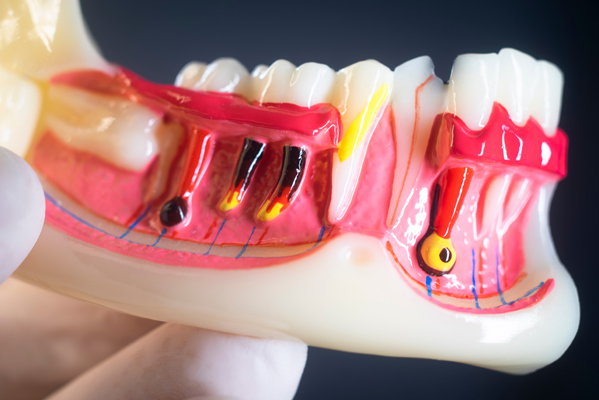
Root canal treatment becomes necessary when the soft tissue inside a tooth, called the pulp, becomes inflamed or infected. This problem often develops after deep decay, a crack, repeated dental work, or trauma. A general dentist can evaluate symptoms early and recommend next steps that relieve pain and protect the natural tooth.
1. Persistent toothache that does not improve
A persistent toothache that lasts for hours, recurs daily, or worsens at night may indicate nerve irritation. Pain may feel sharp, throbbing, or deep within the tooth. When discomfort persists without a clear trigger, the tooth may need evaluation for pulpal inflammation or infection.
2. Sensitivity to hot or cold that lingers
Brief sensitivity can occur with enamel wear, gum recession, or minor decay. Concern increases when heat or cold elicits pain that persists for several seconds or longer after the stimulus is removed. This pattern can indicate that the nerve inside the tooth does not recover normally.
3. Pain when biting or chewing
A tooth that hurts during chewing may have inflammation around the root tip or a crack that irritates the pulp. Pressure sensitivity can also occur when an infection creates swelling in the ligament that holds the tooth in place. A dental examination can determine whether the pain indicates the need for a root canal or another issue, such as a high filling.
4. Swelling or tenderness in the gums
Swollen gums adjacent to a specific tooth may indicate an infection that extends beyond the tooth roots. Tenderness may present as soreness during brushing or as a puffy area that feels warm. Some infections also create a small bump on the gums, often called a gum boil, that may drain and return.
5. Darkening or discoloration of a tooth
A tooth that turns gray, brown, or noticeably darker than neighboring teeth may have a reduced blood supply inside the pulp. Discoloration can follow trauma or long-standing decay. Although staining can have other causes, a color change accompanied by sensitivity or pain warrants prompt evaluation.
6. A bad taste or ongoing bad breath
Infection can produce a persistent unpleasant taste, particularly when drainage from the gums occurs. Bad breath that does not improve with brushing, flossing, and rinsing may also indicate decay or infection. When this symptom occurs with localized gum tenderness, it may indicate an endodontic issue.
7. A history of deep decay, large fillings, or tooth trauma
A tooth with extensive prior work can become vulnerable over time. Deep cavities and large fillings increase the chance that bacteria reach the pulp. Trauma from an accident or sports injury can also damage the nerve, even when the tooth looks intact on the outside.
These symptoms often overlap, and not every case requires a root canal. However, delaying care can allow infection to spread and increase the risk of tooth loss. Evaluation typically includes an examination, imaging, and simple tests that assess nerve function.
Get a consultation today
Symptoms that suggest a possible root canal include lingering sensitivity, persistent pain, chewing discomfort, swelling, discoloration, and signs of infection, such as drainage or a bad taste. Early diagnosis can reduce discomfort and protect the natural tooth structure. A dental visit can confirm the cause and identify the most effective treatment path. For more information or to schedule an appointment, call our office.
To schedule a consultation, please request an appointment on our website at https://www.portchesterdentistry.com or call LB Dental P.C. at (914) 908-5459 to arrange an appointment at our Port Chester office.
Check out what others are saying about our dental services on Yelp: Root Canal Treatment in Port Chester, NY.
Related Posts
An abscessed tooth is a painful and serious dental condition that requires immediate care from an emergency dentist. This condition develops when a bacterial infection forms inside the tooth or gum, leading to swelling, pain, and sometimes fever. Without prompt treatment, the infection can spread to other areas of the body, making early intervention critical…
Family dentist recommendations play an important role in helping patients recover comfortably after a tooth extraction. Although the procedure itself is routine, proper aftercare supports healing, reduces the risk of complications, and helps patients return to normal activities as quickly as possible. As a family dentist, providing clear recovery instructions helps protect the extraction site…
Choosing the best dentist for your needs can be a hard decision. You deserve a dental team that listens and provides you with the tools you need to maintain your smile. When you feel confident and safe when walking into the dental office, you know your health is in the right hands. Here are five…
It is no secret that professional teeth whitening can achieve a significantly brighter smile. Still, certain lifestyle choices, such as tobacco use, often pose significant obstacles to maintaining those results over time. Therefore, if anyone wants a brighter smile, they must commit to proper care. This starts with an understanding of how these habits interfere…